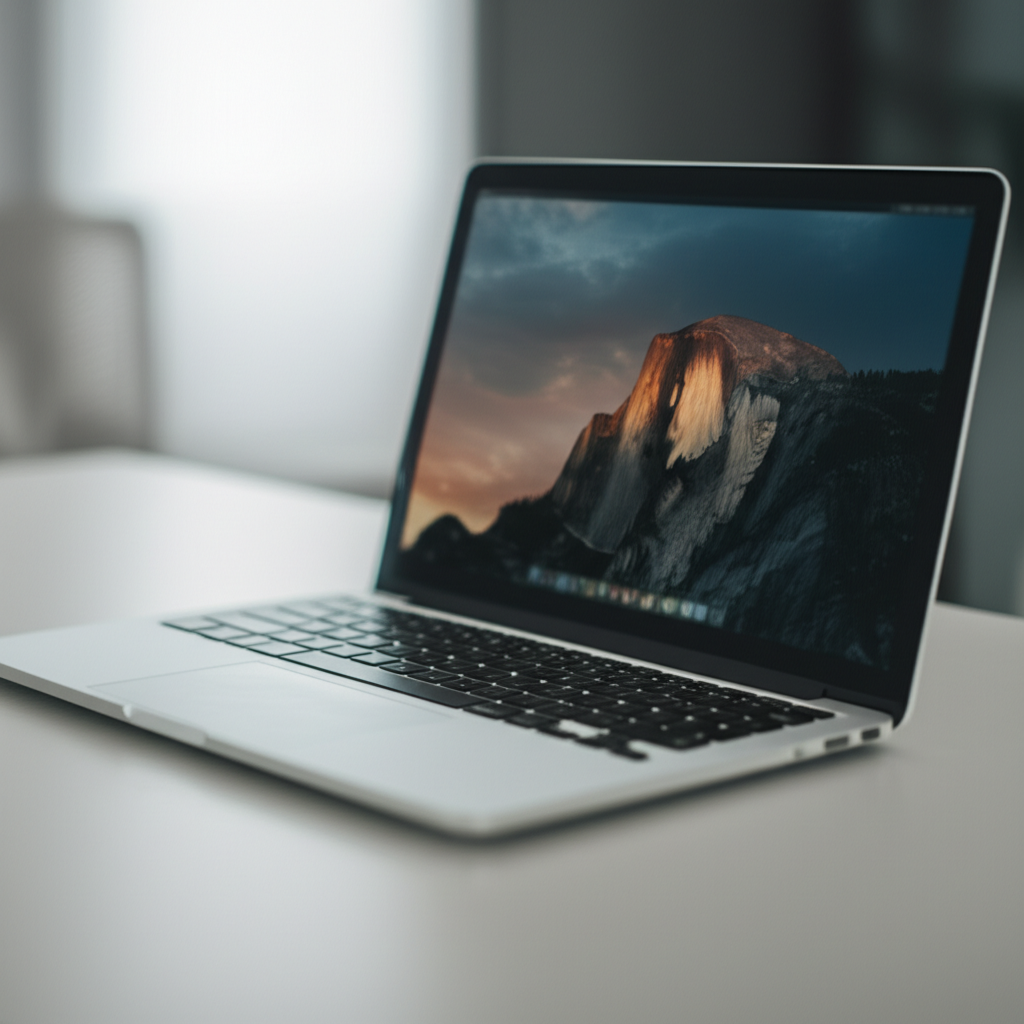
A new low-cost MacBook is reportedly on the horizon, signaling a strategic shift for Apple into more accessible computing. For years, the Cupertino giant has commanded the premium end of the laptop market, with its sleek designs, powerful M-series chips, and robust macOS ecosystem. However, recent reports suggest Apple is preparing to broaden its appeal, targeting students and budget-conscious consumers who typically gravitate towards Chromebooks or entry-level Windows PCs. This move could not only expand Apple’s market share but also intensely competitive segments, potentially allowing Apple to ‘eat’ into the established territory of Google and Microsoft.
Thank you for reading this post, don't forget to subscribe!While Apple has seen consistent growth in MacBook sales, particularly with the success of its M-series chips, the entry price point for even the base M4 MacBook Air often remains prohibitive for many. This leaves a significant gap in Apple’s product lineup, one that this rumored affordable MacBook is poised to fill. By making its exceptional laptop experience more accessible, Apple aims to bring its blend of hardware, software, and services to a wider audience, fostering loyalty and expanding its ecosystem further.
The Strategic Imperative: Why Apple Needs a Budget MacBook
Apple’s current laptop offerings, from the MacBook Air to the MacBook Pro, are undeniably premium devices. They offer unparalleled performance, stunning displays, and an integrated user experience that few can match. However, this comes at a cost, often starting well above $1,000. In contrast, the market is brimming with affordable alternatives; Chromebooks for under $500 are commonplace, and robust Windows laptops can often be found in the $600-$800 range.
This competitive landscape means that a vast segment of potential users, particularly in education and emerging markets, are effectively priced out of the Apple ecosystem for laptops. Introducing a budget-friendly MacBook would allow Apple to tap into this lucrative demographic. Students often require reliable, portable, and affordable devices for their coursework, and many families operate on tighter budgets for tech purchases. By offering a compelling entry point, Apple can not only capture new users but potentially convert them into lifelong customers, who may eventually upgrade to more premium Apple devices as their needs and financial situations evolve. This strategy is less about direct profit from a single low-cost device and more about growing the overall Apple user base and its associated services revenue.
Taking on Chromebooks and Windows PCs
The primary targets for this rumored low-cost MacBook are clear: Chromebooks and budget Windows laptops. Chromebooks, powered by Google’s ChromeOS, have dominated the education sector due to their simplicity, low cost, and ease of management. They excel at web-based tasks, document creation, and collaborative work, making them ideal for classrooms and basic home use. Similarly, Windows PCs offer a broad spectrum of hardware configurations and price points, with many manufacturers offering capable machines that provide a traditional desktop computing experience at an accessible price.
Apple’s challenge will be to offer a compelling alternative that justifies its price, even if it’s lower than current MacBooks. The core appeal of a budget MacBook would lie in bringing the full macOS experience, with its renowned stability, security, and suite of applications, within reach. Users would gain access to Apple’s tightly integrated ecosystem, including seamless handoff between devices, iMessage, FaceTime, AirDrop, and a vast app store, features that Chromebooks and many budget Windows PCs cannot fully replicate. The brand prestige of Apple itself is also a significant draw, often perceived as a premium product regardless of its price point.
The iPhone Chipset: Powering Affordability
Perhaps the most intriguing aspect of the rumors centers on the potential for this new device to be powered by an iPhone chipset rather than the dedicated M-series chips found in current MacBooks. This strategic choice would be a game-changer for reducing costs significantly. Apple’s A-series chips, used in iPhones and iPads, are incredibly powerful and energy-efficient, designed for a different form factor and cooling envelope.
Leveraging an existing iPhone chipset, perhaps an older generation like an A15 or A16 Bionic, would allow Apple to achieve a much lower bill of materials compared to designing and producing an entirely new M-series chip. This doesn’t mean a compromise on performance for the target audience. For typical student tasks—web browsing, document editing, video conferencing, and light content creation—an iPhone chipset, optimized with macOS, would likely provide a smooth and responsive experience. It wouldn’t rival the M-series MacBook Air for intense creative tasks or prolonged heavy workloads, but it wouldn’t need to. The aim is to deliver a robust Apple experience that far surpasses similarly priced Chromebooks in raw performance and versatility, and potentially even budget Windows laptops running less optimized hardware.
The Promise of a New Low-Cost MacBook: Features and Experience
While specifics are scarce, we can speculate on what a new low-cost MacBook might entail:
- Design: Expect Apple’s signature aesthetic, but perhaps with compromises to keep costs down. This could mean a slightly thicker chassis, less premium aluminum (or even some plastic components), and a more utilitarian feel compared to the Air or Pro models.
- Display: A solid Retina display is almost a given, offering sharp text and vibrant colors, but likely without advanced features like ProMotion or Mini-LED backlighting.
- Ports: Connectivity might be streamlined, possibly offering a couple of USB-C ports and a headphone jack, focusing on essentials rather than extensive dongle-free expandability.
- Battery Life: One area where an iPhone chipset running macOS could truly shine is battery efficiency. Apple silicon is renowned for its power management, promising all-day battery life that is critical for students and mobile users.
- Software & Ecosystem: This is where the device would truly differentiate itself. It would run the full macOS operating system, providing access to a rich suite of applications, robust multitasking capabilities, and the seamless integration with other Apple devices (iPhones, iPads, Apple Watch) that users have come to expect.
Pricing would be critical. To truly compete, Apple would need to position this device aggressively, potentially in the $500-$800 range to capture the attention of those considering more traditional budget options.
Potential Impact and Market Disruption
If Apple successfully launches a compelling low-cost MacBook, the repercussions across the computing market could be significant. For Google, it could mean a slowdown in Chromebook adoption, especially in K-12 education, where a more powerful, full-fledged macOS alternative at a similar price could sway purchasing decisions. For Microsoft, it might force PC manufacturers to innovate further in the budget segment, potentially leading to even more affordable and capable Windows laptops or a renewed focus on unique features to maintain differentiation.
Beyond just sales, this new device could serve as a powerful gateway drug into the Apple ecosystem. A student who starts with an affordable MacBook might later invest in an iPhone, an Apple Watch, or other premium Apple services. It’s a strategic long game, sacrificing a higher per-unit profit margin for increased market share and future revenue streams.
In conclusion, the prospect of a new low-cost MacBook is more than just another product launch; it represents a significant strategic pivot for Apple. By embracing affordability and directly challenging established players in the budget computing market, Apple could not only fill a crucial gap in its lineup but also redefine how a generation of users experiences the world of personal computing. The competition should indeed brace itself – Apple might truly be coming for their lunch.